The Home Group model
Students begin and end the day with familiar people, creating routine, safety and stronger relationships.

Hope Belonging Nurturing Success
Small classes of up to 10 students, each led by a teacher and an education support staff member, provide a safe, supportive alternative to mainstream schooling.
Book a Tour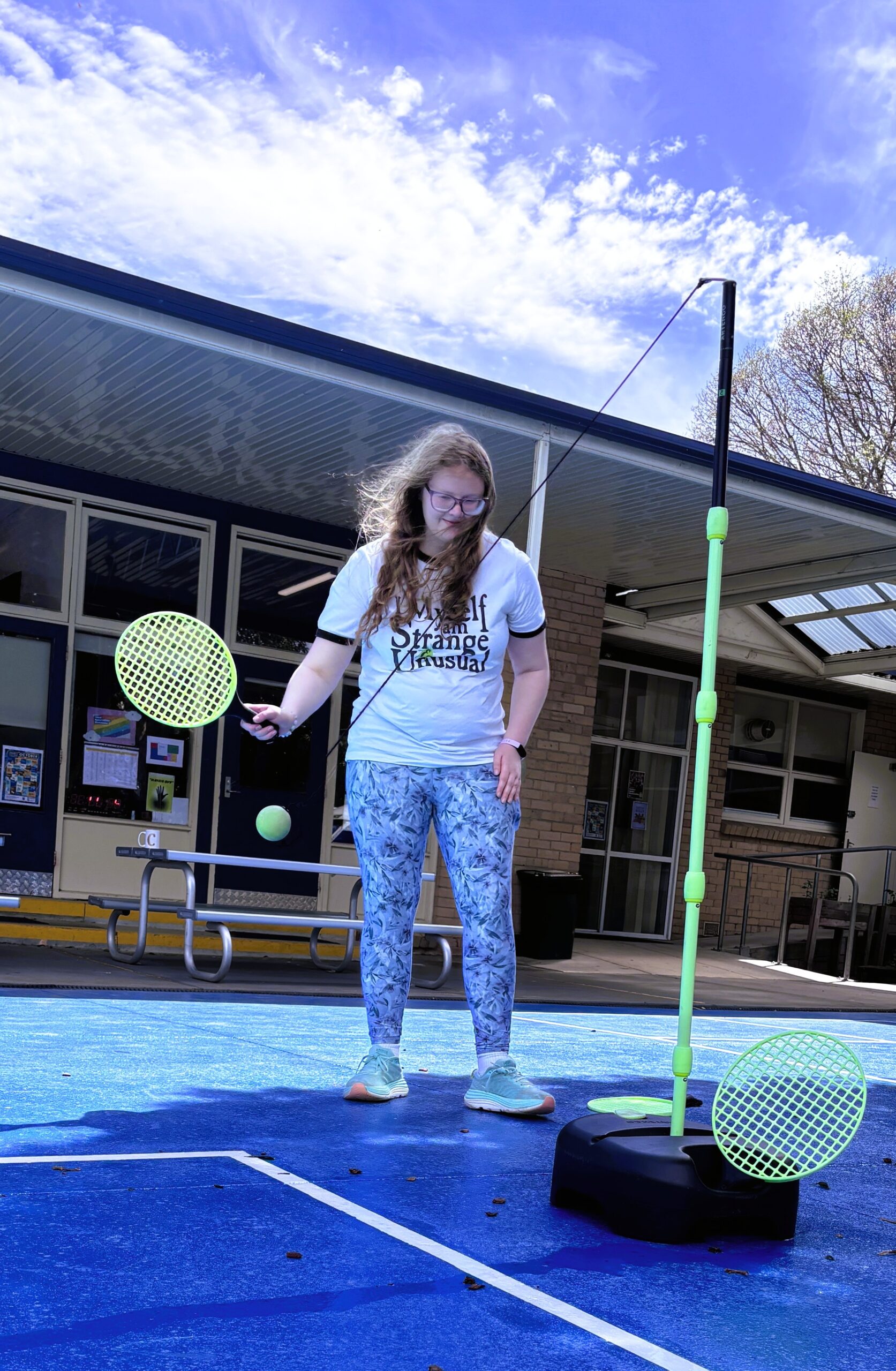
Our Box Hill Campus offers a supportive, inclusive environment for students in Years 7–10 who need more than a mainstream school can provide. As an alternative secondary school in Melbourne’s eastern suburbs, we specialise in supporting students with ADHD, autism, anxiety, trauma, or those who have become disconnected from learning. Families looking for a private alternative school near them often find that Berengarra School provides the right balance of academic growth and wellbeing support.

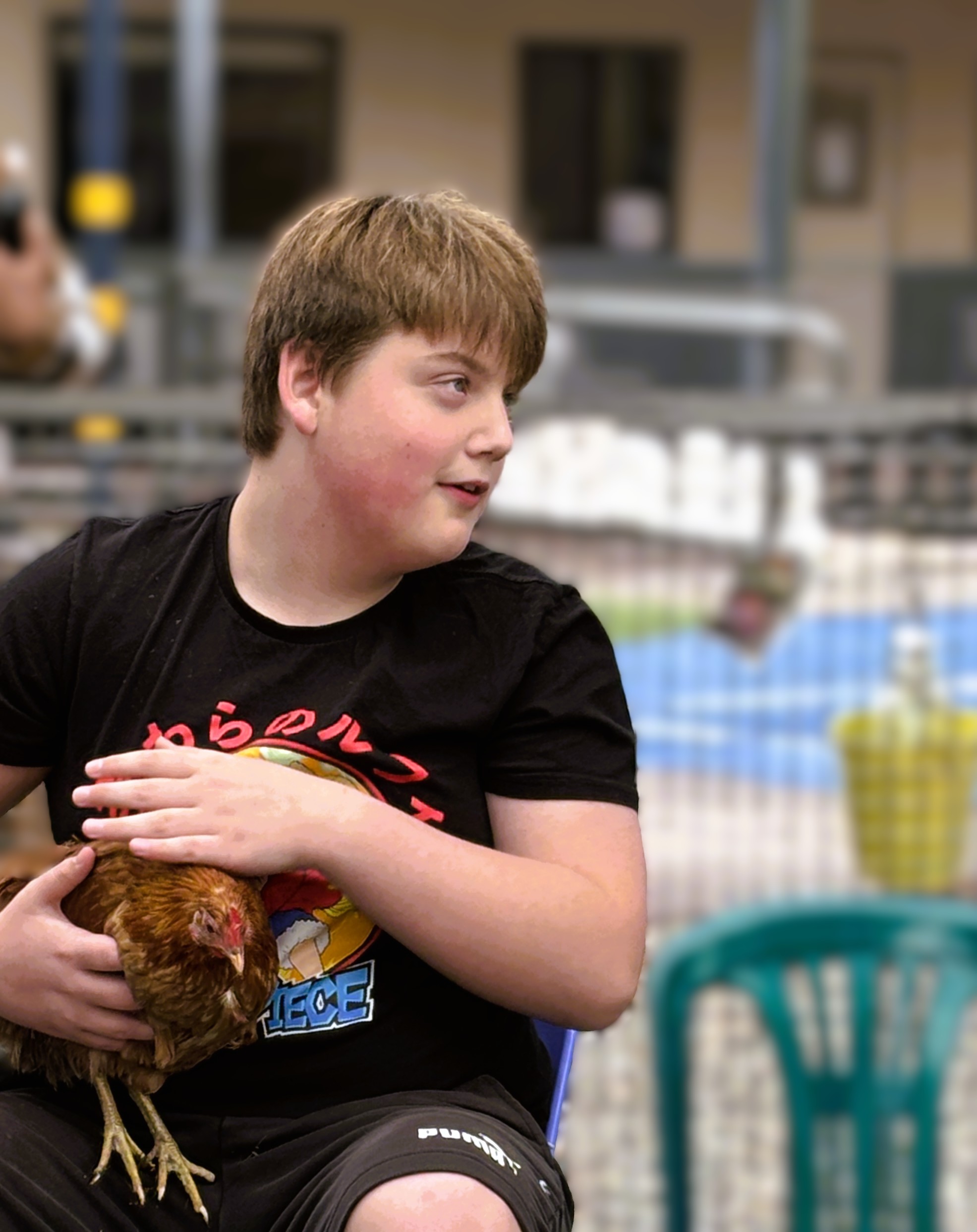
The curriculum is informed by the Victorian Curriculum and adapted to suit each student’s learning needs. Our goal is to create personalised educational opportunities within a nurturing, community-based setting. Students are encouraged to rediscover their confidence, re-engage with learning, and explore their strengths in a safe and flexible school environment.
Classes are small, with up to 10 students learning together in a safe and supportive environment. Each class is led by a teacher and supported by an education support staff member, with additional support from our dedicated wellbeing team. This structure allows for close relationships, tailored learning and daily wellbeing check-ins.
Planning for teaching and learning follows a skills-based outline, focusing on literacy and numeracy as a priority. The inquiry skills of researching, analysing, evaluating, reflecting and communicating are woven into the curriculum to help students grow as independent, confident learners.
All classes are mixed-ability, and learning activities are carefully adapted to meet each student’s goals and capabilities, whether they are reconnecting with learning or building on existing strengths.

Mitzi Sneesby, Head of Campus at Box Hill, explains how familiar relationships, fewer transitions and a predictable daily rhythm help students feel settled and ready to learn.
Students begin and end the day with familiar people, creating routine, safety and stronger relationships.
Reducing changes in rooms, teachers and activities helps students remain calm, regulated and ready to learn.
Box Hill Campus
This is what a typical day at the Box Hill Campus can look and feel like for me.
Knowing what to expect makes it easier for me to walk through the gate and begin my day.
The school day starts at 9:30 am, so my morning can feel less rushed. I can arrive from 9:00 am, have breakfast if I want to and take some time to settle before Home Group begins.
I do not need to remember lots of equipment. A computer is provided for me to use at school. I can request a toastie at lunchtime, and there are disposable cups for the water fountain.
At 9:30 am, I begin Home Group with my Home Group teacher. The same teacher stays with my class for the first two lessons, which focus on literacy and numeracy. It means I begin with an adult who knows me, understands how I learn and can help me settle.
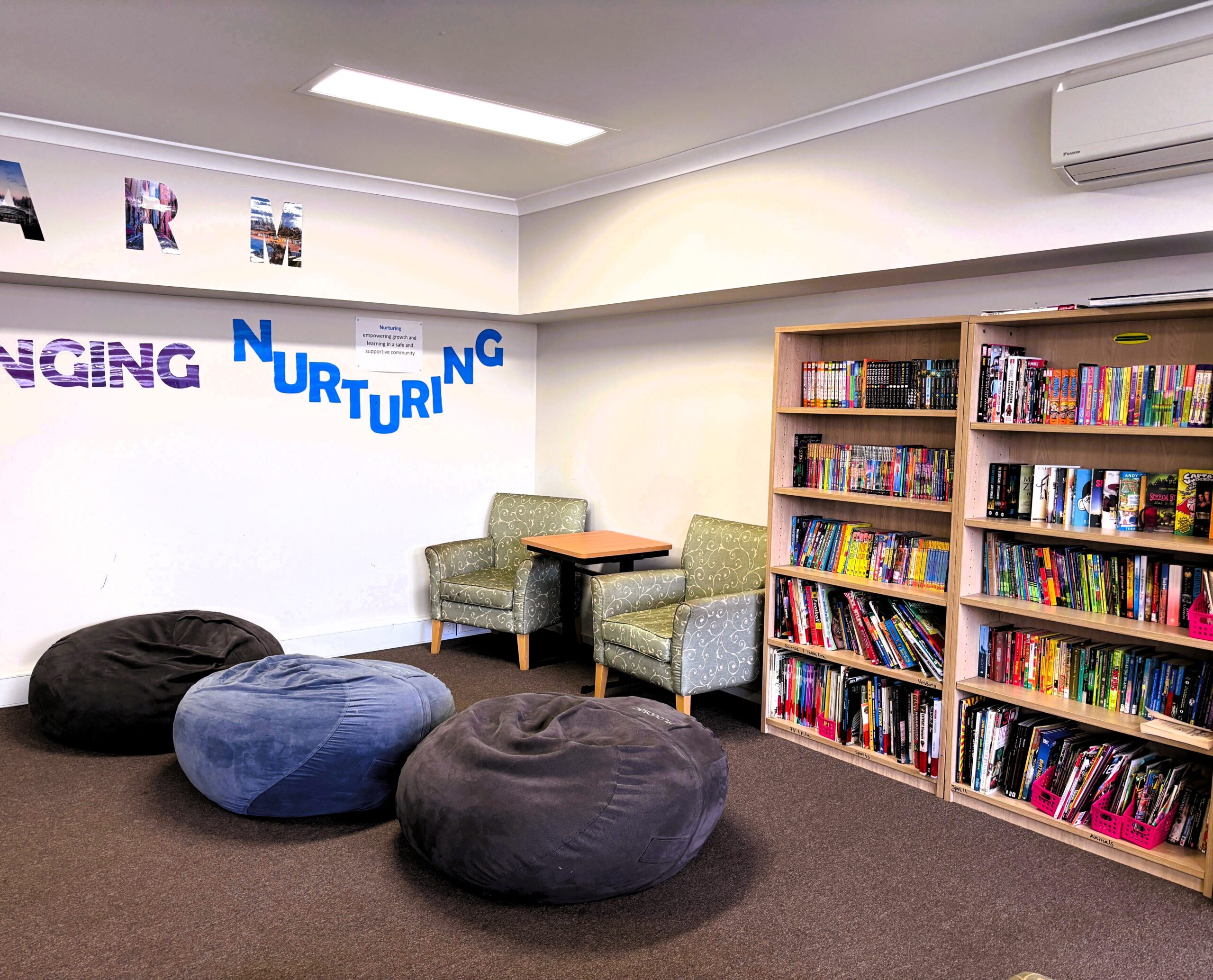
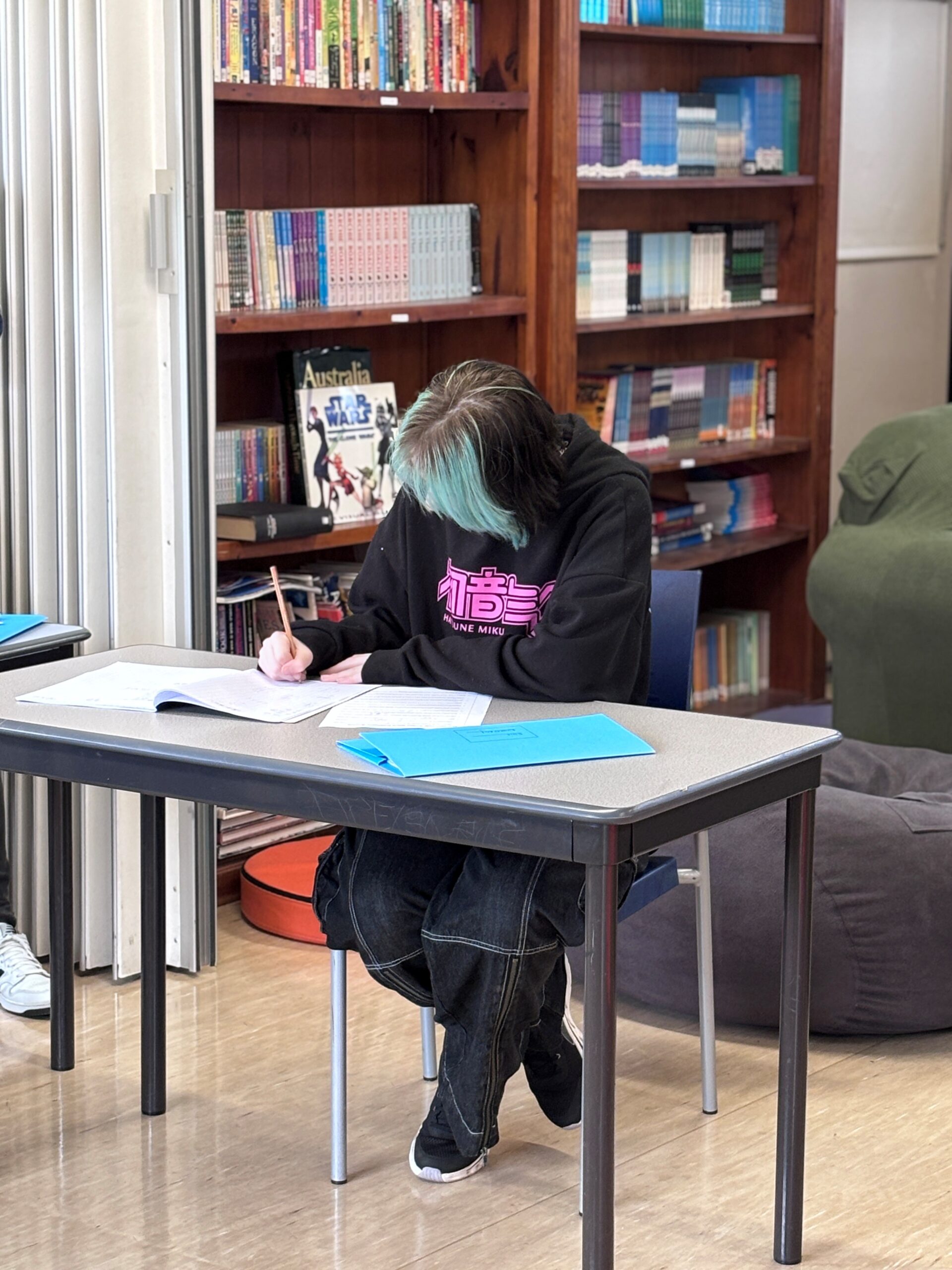
There are four lessons and three breaks, with Home Group at the beginning and end. Having a clear rhythm helps me know what is happening now and what is coming next.
Break times can feel worrying when I am new, especially if I do not know anyone yet. I do not have to join a group or immediately know what to do. I might play soccer or basketball, use the totem tennis or table tennis equipment, or go into the Art Room for drawing, games or another quiet activity.
I can spend time with others or take a quieter break. Staff are nearby if I need help finding somewhere to go or someone to connect with.
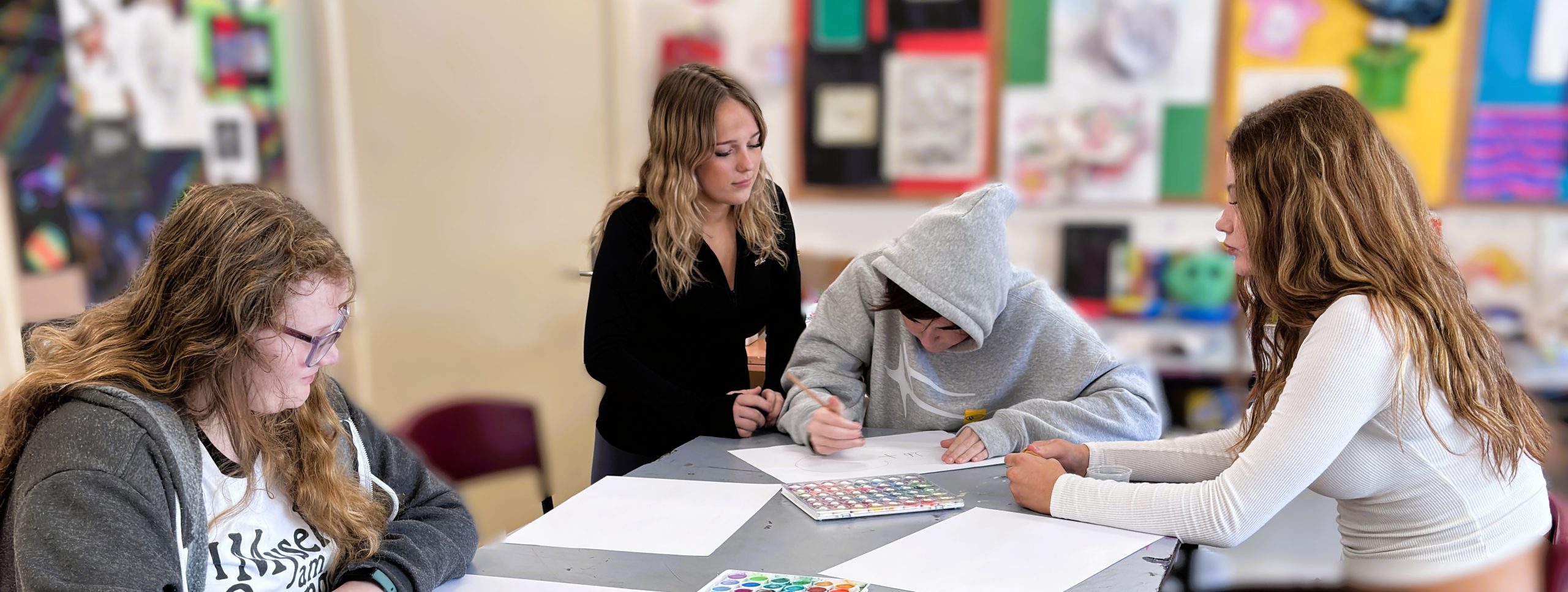
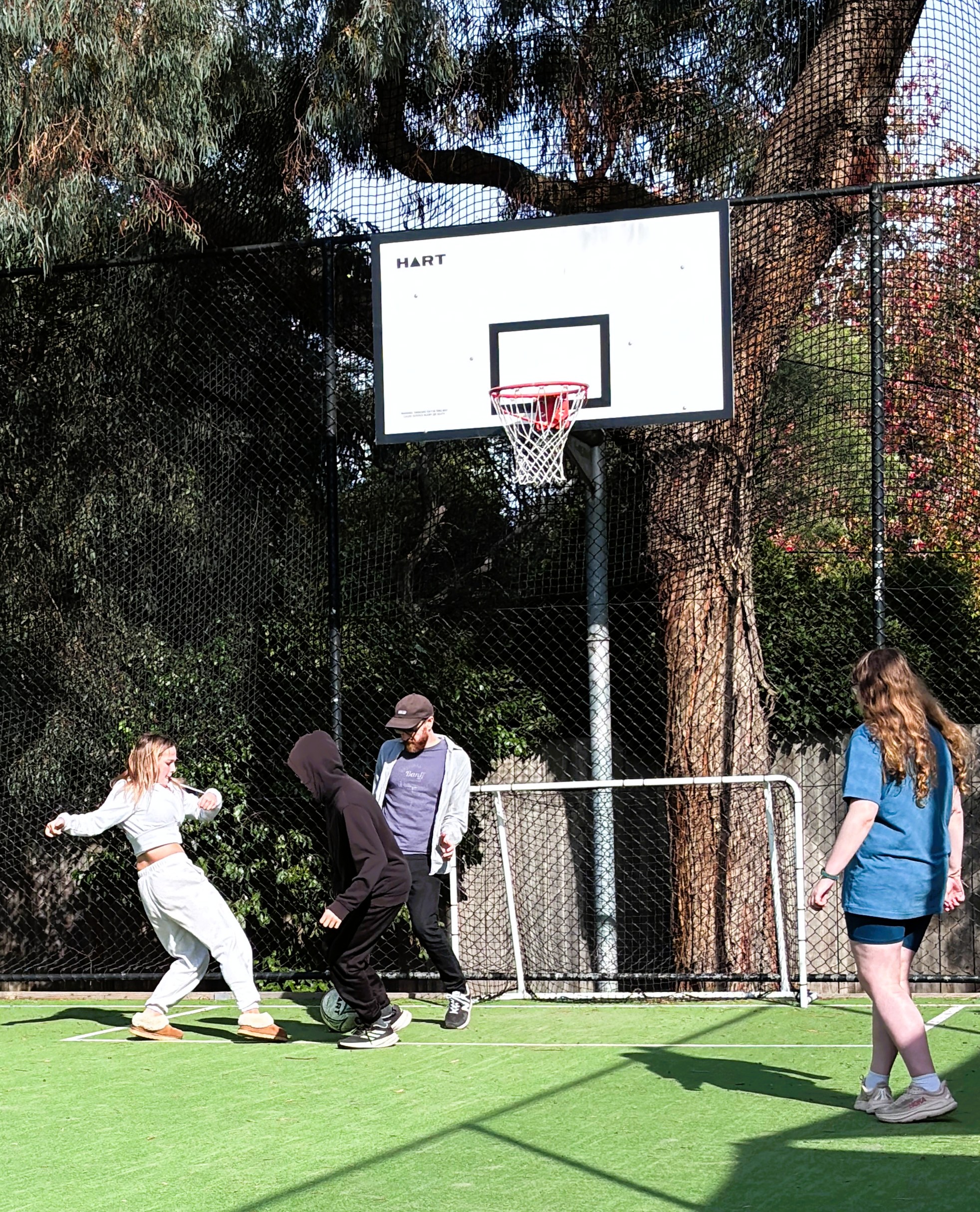
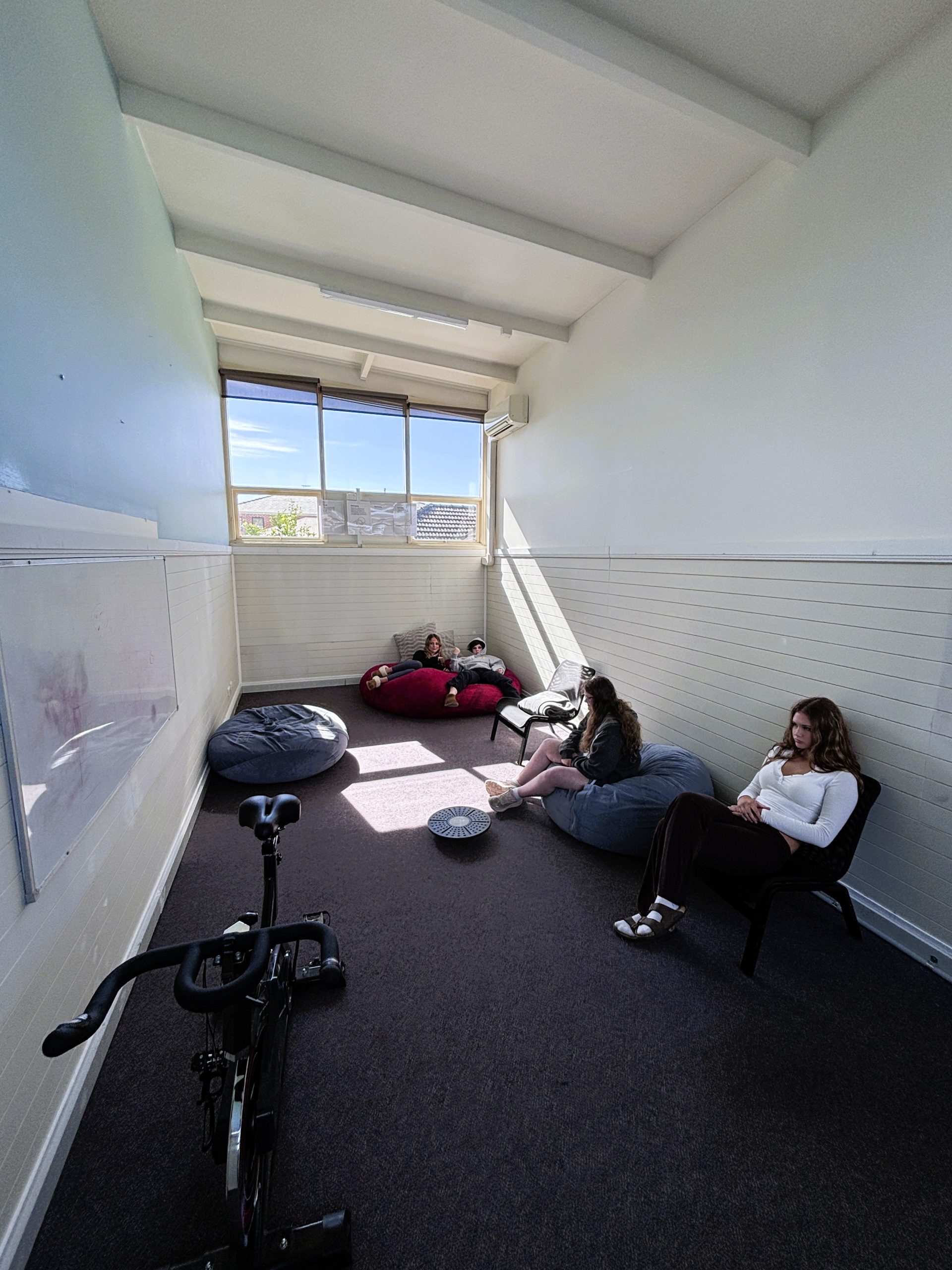
Counsellors are on site throughout the school day. I can speak with someone if I am worried, overwhelmed or just feel like I need a chat. Staff can also help with learning, relationships, transitions or working out what I need when everything feels like too much.
I do not really like asking for help, but the staff here are really switched on. They get to know me and notice if I am feeling not quite right.
The staff-to-student ratio helps staff get to know me as a person, not just as another student in the room.
The day ends with a short Home Group, where I can organise my belongings and prepare to leave. School finishes at 2:40 pm, and supervision continues until 2:50 pm. I can also catch the school bus to Box Hill Station.
Box Hill Campus supports up to around 50 students in Years 7–10 with calm spaces, small classes and trauma-aware staff. Students learn the Victorian Curriculum across core and specialist subjects, with a strong focus on rebuilding engagement and success through achievable, skills-based learning.
Programs cover Literacy, Numeracy, STEAM (Science, Technology, Engineering, the Arts and Mathematics), Technologies (including Food Technology), Visual Arts, Humanities, Physical Education and Health, and explicit Social and Emotional Learning.
Literacy learning builds the skills students need to communicate in school, work and relationships.
Numeracy is taught in ways that feel achievable and relevant, especially for students with past negative experiences of maths.
Students investigate the world through hands-on, inquiry-based STEAM learning that invites curiosity and experimentation.
The weekly Drama program builds students’ confidence through improvisation, play-building and performance work.
Weekly SEL classes explicitly support wellbeing, relationships and participation in school and community life.
Visual Arts provides a safe space for students to explore identity, take creative risks and manage frustration.
Humanities subjects broaden students’ understanding of people, places and systems, locally and globally.
Physical Education is about confidence, regulation and social connection as much as physical skills.
Food Tech combines independent living skills with practical cooking and nutrition.