Box Hill Campus: Years 7–10 | Berengarra School

Box Hill Campus: Years 7–10

Small classes of up to 10 students, each led by a teacher and an education support staff member, provide a safe, supportive alternative to mainstream schooling.

Book a Tour
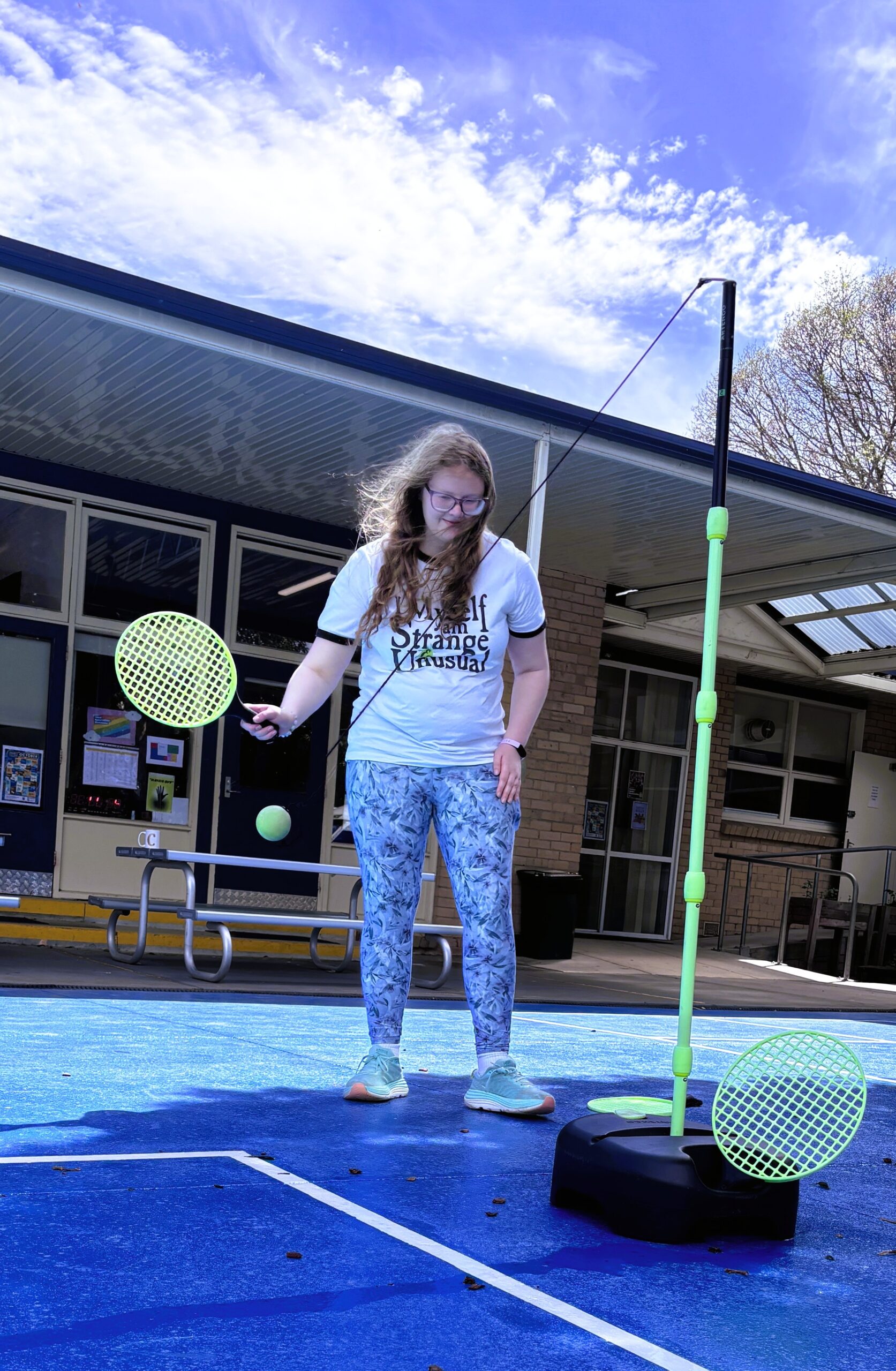
Student playing tennis-style game at Berengarra School

Alternative secondary school

Our Box Hill Campus offers a supportive, inclusive environment for students in Years 7–10 who need more than a mainstream school can provide. As an alternative secondary school in Melbourne’s eastern suburbs, we specialise in supporting students with ADHD, autism, anxiety, trauma, or those who have become disengaged from learning. Families looking for a private alternative school near them often find that Berengarra School provides the right balance of academic growth and wellbeing support.

Student participating in a learning activity at Berengarra School
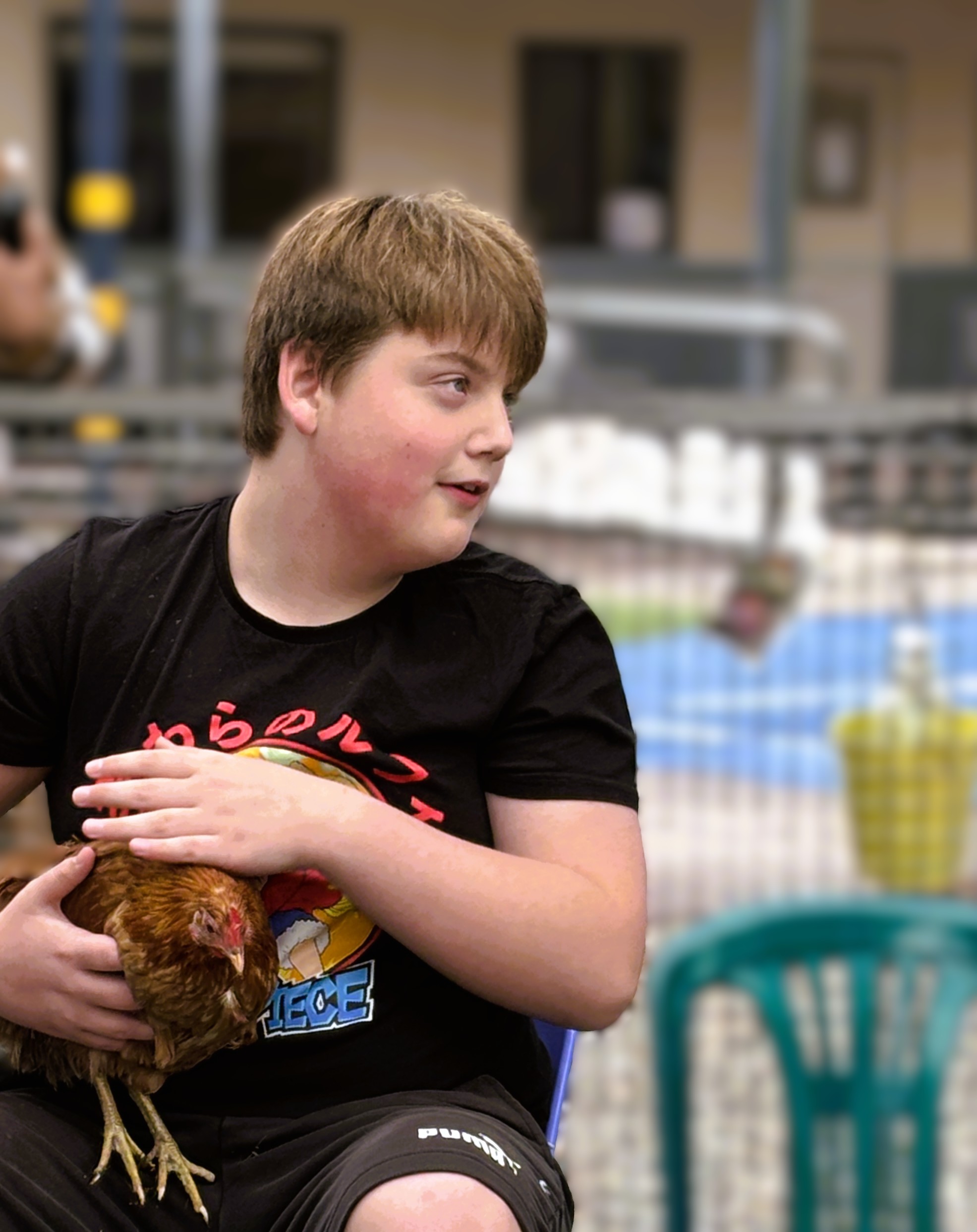
Student holding a chicken at Box Hill Campus

Tailored curriculum

The curriculum is informed by the Victorian Curriculum and adapted to suit each student’s learning needs. Our goal is to create personalised educational opportunities within a nurturing, community-based setting. Students are encouraged to rediscover their confidence, re-engage with learning, and explore their strengths in a safe and flexible school environment.

Small class sizes

Classes are small, with up to 10 students learning together in a safe and supportive environment. Each class is led by a teacher and supported by an education support staff member, with additional support from our dedicated wellbeing team. This structure allows for close relationships, tailored learning and daily wellbeing check-ins.

Planning for teaching and learning follows a skills-based outline, focusing on literacy and numeracy as a priority. The inquiry skills of researching, analysing, evaluating, reflecting and communicating are woven into the curriculum to help students grow as independent, confident learners.

All classes are mixed-ability, and learning activities are carefully adapted to meet each student’s goals and capabilities, whether they are reconnecting with learning or building on existing strengths.

Teacher and student playing sport at Berengarra School
Learning at Box Hill Campus

Learning at Box Hill Campus

Box Hill Campus supports up to around 50 students in Years 7–10 with calm spaces, small classes and trauma-aware staff. Students learn the Victorian Curriculum across core and specialist subjects, with a strong focus on rebuilding engagement and success through achievable, skills-based learning.

Programs cover Literacy, Numeracy, STEAM (Science, Technology, Engineering, the Arts and Mathematics), Technologies (including Food Technology), Visual Arts, Humanities, Physical Education and Health, and explicit Social and Emotional Learning.

Literacy

Literacy learning builds the skills students need to communicate in school, work and relationships.

  • Strengthens reading, writing, speaking and listening skills.
  • Grows vocabulary and confidence with editing and drafting.
  • Supports spelling, comprehension and clearer written expression.
  • Uses class discussions to explore different ideas and viewpoints.

Numeracy

Numeracy is taught in ways that feel achievable and relevant, especially for students with past negative experiences of maths.

  • Builds foundations with number, time, money and measurement.
  • Connects maths to real-life problem-solving.
  • Encourages reasoning, flexible thinking and testing ideas.
  • Promotes a growth mindset in every lesson.

STEAM

Students investigate the world through hands-on, inquiry-based STEAM learning that invites curiosity and experimentation.

  • Explores physical, life, earth and space sciences.
  • Designs and tests investigations using predictions and data.
  • Links learning to real-world questions and everyday life.
  • Caters to individual abilities and interests with practical projects.

Drama

The weekly Drama program builds students’ confidence through improvisation, play-building and performance work.

  • Develops improvisation skills such as making and accepting offers and active listening.
  • Builds skills in voice, movement, staging and stagecraft.
  • Encourages warm-ups, positive feedback, discussion and trust within the group.
  • Supports students to devise, rehearse and perform improvised or scripted pieces as a team.

Social & Emotional Learning (SEL)

Weekly SEL classes explicitly support wellbeing, relationships and participation in school and community life.

  • Teaches communication skills and emotional regulation strategies.
  • Builds helpful self-talk and mental health habits.
  • Supports self-esteem, conflict resolution and understanding the law.
  • Includes character strengths, careers education and basic nutrition.

Visual Arts

Visual Arts provides a safe space for students to explore identity, take creative risks and manage frustration.

  • Introduces painting, sculpture, printmaking and design processes.
  • Uses a range of 2D and 3D materials and techniques.
  • Explores ideas like harmony, tone, line and composition.
  • Includes opportunities to visit galleries and exhibitions where possible.

Humanities

Humanities subjects broaden students’ understanding of people, places and systems, locally and globally.

  • Covers History, Geography, Economics and Civics and Citizenship.
  • Builds research, inquiry, analysis and evaluation skills.
  • Interprets maps and geographical features around Australia.
  • Examines democracy, consumer rights and First Nations perspectives.

Physical Education (Health and PE)

Physical Education is about confidence, regulation and social connection as much as physical skills.

  • Offers sports such as frisbee, cricket, archery, basketball, badminton, bushwalking and golf.
  • Emphasises participation, following instructions and asking for help.
  • Develops stamina, teamwork and understanding of rules.
  • Helps students experience success through achievable movement goals.

Food Technology

Food Tech combines independent living skills with practical cooking and nutrition.

  • Teaches food safety, hygiene and basic nutrition.
  • Builds confidence preparing simple meals for self and others.
  • Develops decision-making, planning and problem-solving in the kitchen.
  • Connects cooking skills to everyday life beyond school.